
How To Know When Your Dog Needs A Dog Paw Protector
 Admin
Admin
Small changes in how a dog walks or reacts outdoors can reveal hidden paw discomfort. Learn the signs and discover practical ways to keep paws protected.
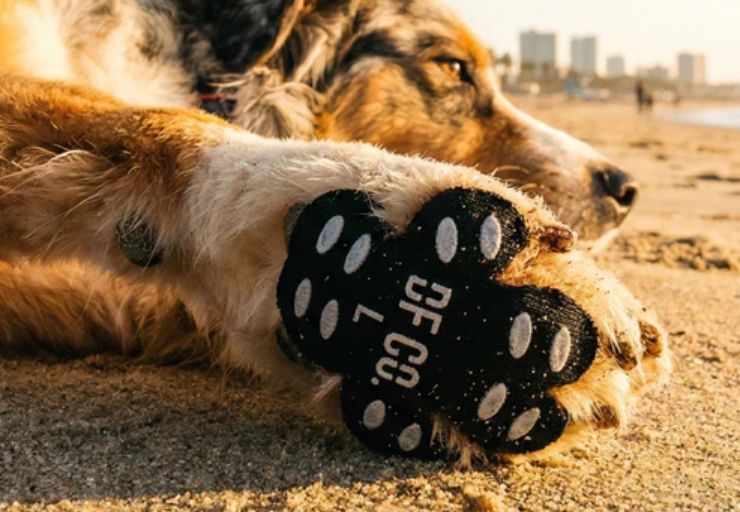
Most people notice a limp, a cut or a visible injury. Paw troubles don't usually start like that. Discomfort can accumulate over time from walking daily, weather changes, rough surfaces, and allergens. Recognizing such early indications can help avoid worse problems later on.
This guide explains what healthy paws should look like, when concerns deserve attention, and how a Dog Paw Protector may help reduce everyday stress on sensitive paws.
Why Dog Paws Face More Stress Than Many Owners Realize
Every time a dog runs, jumps, stops or changes direction, the impact is absorbed by its paw pads. Dogs spend much of their lives with bare feet on pavement, gravel, grass, mud, and more, all of which are a constant test to paw health, unlike human feet.
Most people think the paw pads are robust enough to take anything. Paw pads are tough, but they're not unbreakable. Repeated exposure to heat, rough terrain, moisture, allergens and pathogens can progressively wear off their protective surface.
Discussions on Reddit and Quora frequently highlight a similar pattern. People often discover paw problems only after noticing unusual behavior such as licking, slowing down during walks, or avoiding certain surfaces altogether. By that point, irritation has often been developing for weeks.
A useful habit many veterinarians recommend is checking paws after outdoor activities. Healthy paw pads should generally appear smooth, flexible, and free from redness, swelling, or cracking. Small changes can reveal developing issues long before visible injuries appear.
Signs Your Dog May Need Protection For Dog Paws
Not every dog requires extra paw protection every day. Certain warning signs, however, suggest paws are experiencing more stress than they can comfortably handle.
Cracked Or Dry Paw Pads
Dry, rough or cracked pads are often a sign of environmental stress. Dryness can be caused by hot sidewalks, low humidity, frequently walking on hard surfaces, and seasonal weather changes.
Small cracks may not seem like a big deal, but they may trap dirt and bacteria and get progressively uncomfortable. If the natural smooth surface of the paw pads begins to wear away, it may be worth considering further protection before more serious cracking takes hold.
Paw Sensitivity After Walks
Watch behavior right after being outside. Some dogs are reluctant to stand, walk with a favored paw or stop often to look at their feet.
Visible damage often follows sensitivity. A dog that starts out on a stroll with gusto but slows halfway through may be responding to surface discomfort, rather than mere exhaustion.
Excessive Paw Licking
Licking sometimes is natural grooming activity. If the licking is persistent and focused on one place it is frequently a symptom of irritation, discomfort or inflammation.
People discussing paw care on pet communities frequently mention excessive licking as the first noticeable symptom before discovering redness or minor abrasions. When licking becomes repetitive, inspecting the paws closely is a sensible next step.
Difficulty Walking On Certain Surfaces
One surprisingly missed symptom is changes in confidence on certain flooring or outdoor surfaces.
Some dogs dislike tile, hardwood, gravel walks, or hot pavement, as these surfaces make them uncomfortable or decrease their ability to get traction. Loss of grip can increase stress, especially for senior dogs or those recuperating from injuries.
Situations Where Dog Paw Pad Protectors Can Help
Some settings are far more stressful on paws. Being aware of these situations can help you stop aggravation before it starts.
Hot Pavement
Pavement temperatures can become far hotter than surrounding air temperatures during warmer months. Even brief exposure may cause discomfort.
One thing many people do is test the pavement with the back of their hand before taking their dog for a walk. And if a surface feels painful for a few seconds, it might also be challenging to sensitive paw pads. Dog Paw Pad Protectors can help to form a safe barrier between paws and warm surfaces.
Rough Trails
Paws encounter a lot of friction while walking on hiking trails, rocky terrain, gravel roads, and uneven ground.
Minor abrasions often occur gradually rather than through a single incident. Dogs that enjoy outdoor adventures may benefit from added protection during longer excursions where paw fatigue becomes more likely.
Long Outdoor Adventures
Long walks demand more of paws than quick walks around the neighborhood. Even surfaces that look somewhat safe might cause pain from repeated contact with the ground over several miles.
This is particularly true for active breeds that seldom show any sign of discomfort until the irritation is severe. Preventive actions are usually considerably more successful than waiting for the symptoms to appear.
Seasonal Weather Conditions
Paws have their own issues with the changing of the seasons. Summer means heat and winter might mean ice, salt and frozen surfaces on paws.
Spring and autumn may bring allergens, moisture, and muddy conditions that irritate sensitive skin. Rotating paw care strategies throughout the year often produces better long term results than relying on a single solution year round.
How Paw Protectors Support Daily Comfort
The discussion of paw protection is often limited to injury prevention. And comfort needs to be considered just as much.
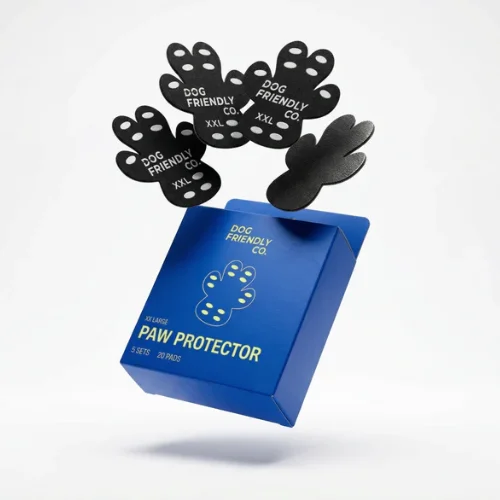
Modern Paw Protectors are designed to help reduce contact with environmental irritants while maintaining natural movement. This can be especially useful for dogs with sensitive paws, allergies, or recurring irritation.
Dog Friendly Co Dog Paw Pad Protectors are designed to shield paws from hot pavement, rough surfaces, dirt, bacteria, and common allergens. Unlike traditional dog boots that some dogs resist wearing, adhesive pad protectors allow paws to move more naturally while adding a protective layer underneath.
Another neglected benefit has to do with traction. Better stability on hardwood floors is a recurring theme in Dog Friendly Co customer reviews. Older dogs in particular seem to benefit from the added grip for everyday moving around the house.
Protection is extended beyond outdoor conditions too. Paws come in contact with cleaning residue, dust, pollen and other things at home and outdoors.
Frequently Asked Questions
What Should Healthy Dog Paw Pads Look Like?
Healthy paw pads are generally smooth, flexible, and free from swelling, cracks, redness, or discharge. Regular inspections help identify changes early.
Can A Dog Paw Protector Help Dogs With Allergies?
Yes. A Dog Paw Protector may help reduce direct contact with pollen, dirt, grass, and other environmental irritants that contribute to paw discomfort.
How Often Should Paw Pads Be Checked?
Weekly inspections work well for most dogs. More frequent checks are beneficial after hikes, long walks, or outdoor activities on rough terrain.
Are Paw Protectors Better Than Paw Balms?
Both are used for different things. Balms moisturise paw pads, and Paw Protectors provide a physical barrier from environmental risks and abrasive surfaces.
Healthy paws influence every walk, adventure, and daily activity a dog enjoys. Paying attention to small behavioral changes often reveals discomfort before visible injuries develop.
Regular paw inspections combined with appropriate Protection For Dog Paws can help keep dogs active and comfortable throughout the year.
Follow Discountsarena for more helpful pet care guides and practical tips.